
From Jaén we got on our first collectivo and headed about 4 hours to a relatively small and off the beaten track town called Chachapoyas.
This small town is apparently a good place to base yourself for a bit of pre-Incan culture, as well as an access point to the high Amazon.
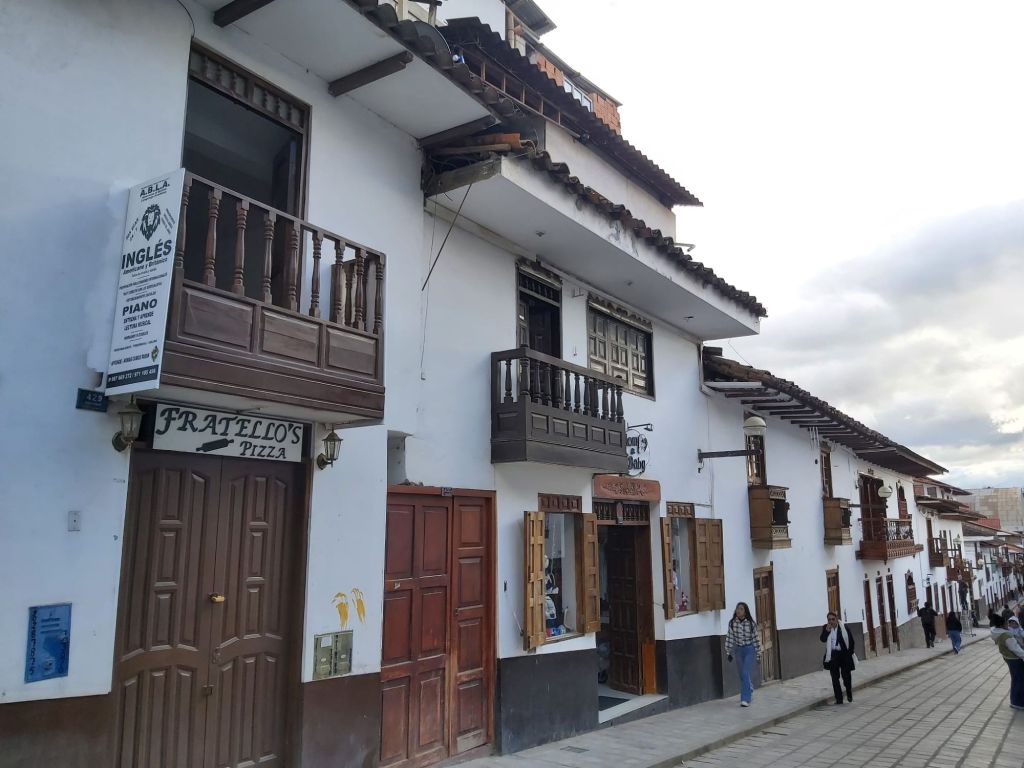
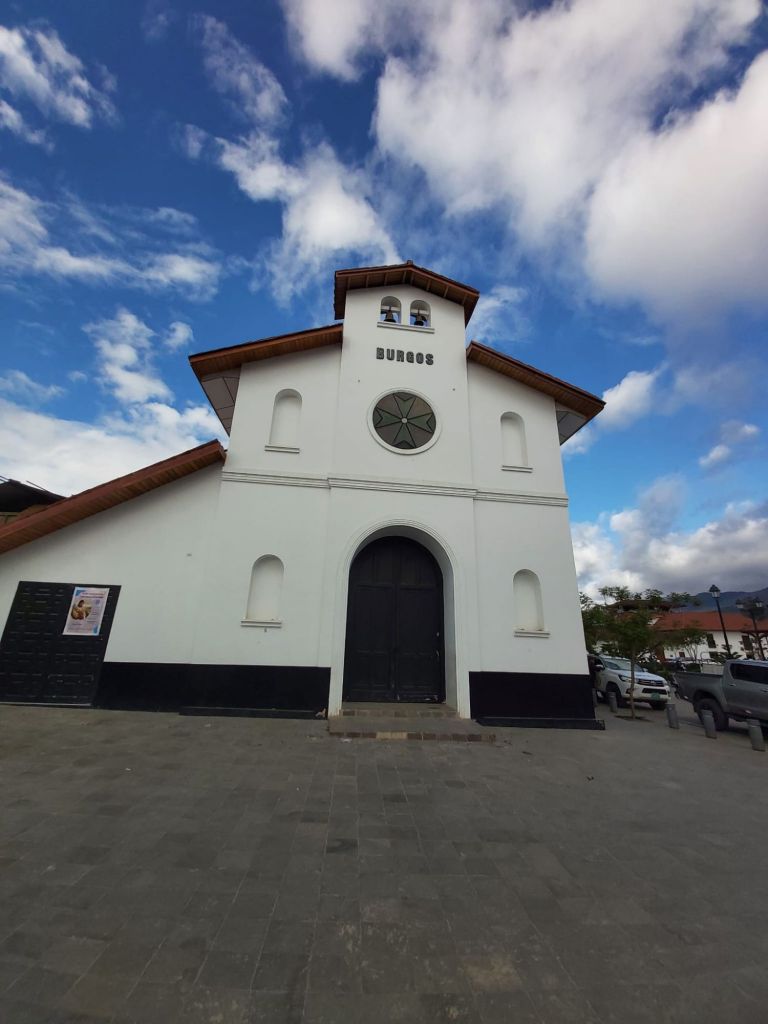
Chachapoyas is a pretty looking town (or at least the centre is, as with most South American towns and cities, it’s clear that the money doesn’t stretch far and you don’t have to walk much beyond the centre of town to find very modest or incomplete buildings). The architecture is predominantly colonial, white washed buildings with wooden balconies.
After doing some more research, we decided that the route to the high Amazon was probably going to be too long for the reward, principally because there only seemed to be day trips into the jungle rather than multiday trips, which we were after. So we put our Amazon aspirations on hold yet again (I’m determined we will get there eventually!) and set our sights on some activities closer to where we already were. And foremost that meant the pre-Incan walled citadel of Kuelap.
To visit this archaeological site required an hour’s Colectivo ride to a fairly new cable car station, which takes you up closer to the citadel. Whilst I was glad of the cable car, because it cuts the journey from this point from 2 hours on crap roads, to a 10 min bus ride and 20 min cable car ride, I’m also not a fan of cable cars! Whilst I’m glad to say it was very modern and somewhat more sophisticated that the Tarabita we went on in Mindo, it was a lot longer and as it crossed a valley, the middle section of the ride was very high and on the way back, it was quite windy and not an experience either of us enjoyed. I spent the whole time steadfastly reading out reviews of restaurants we might visit that evening in an attempt to distract both of us from the rocking and rolling going on!
Anyway, after the cable car ride up we thankfully found coffee to pep us back up before a hot and tiring 1/2 hour walk up to the citadel itself.

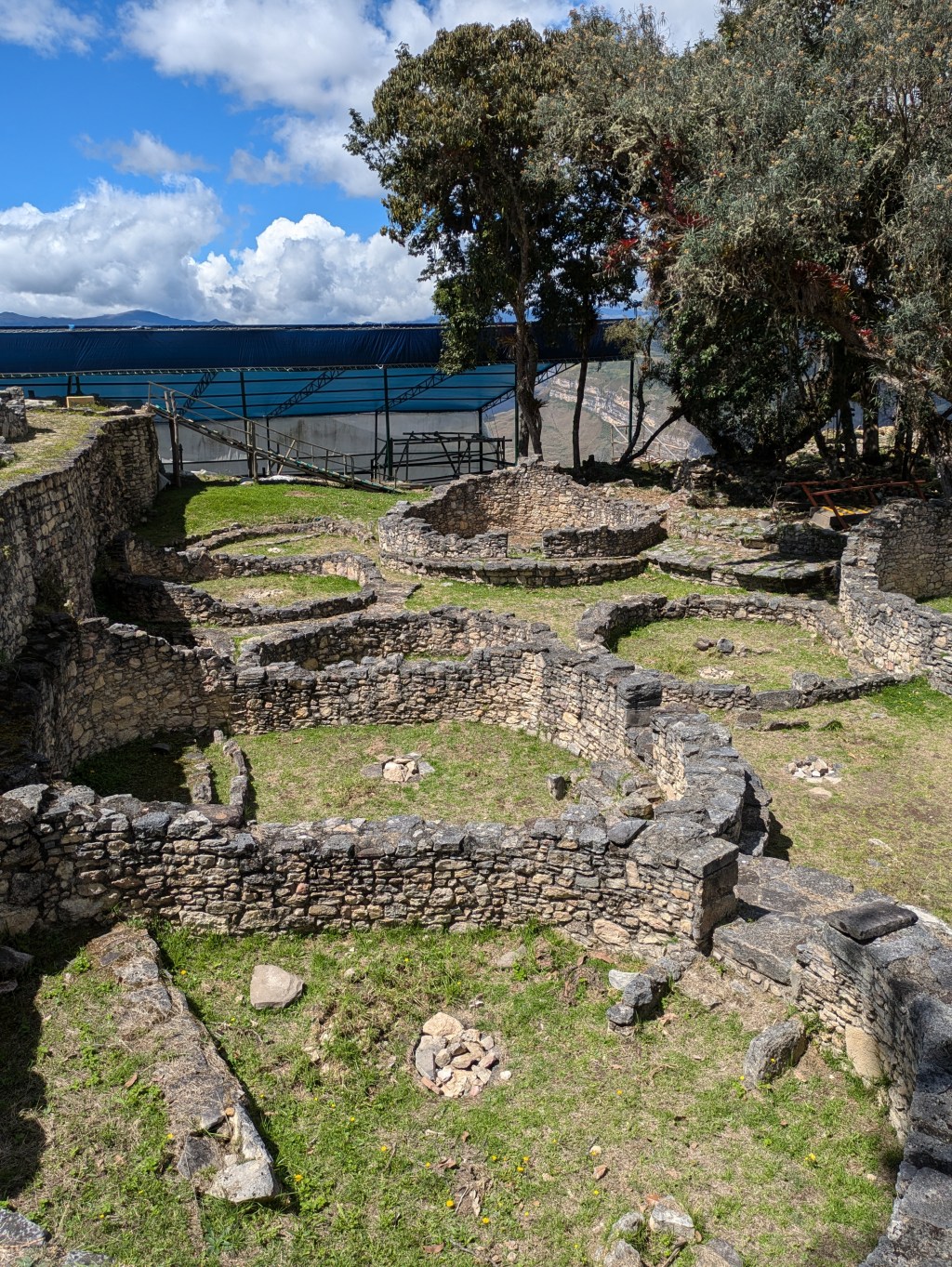
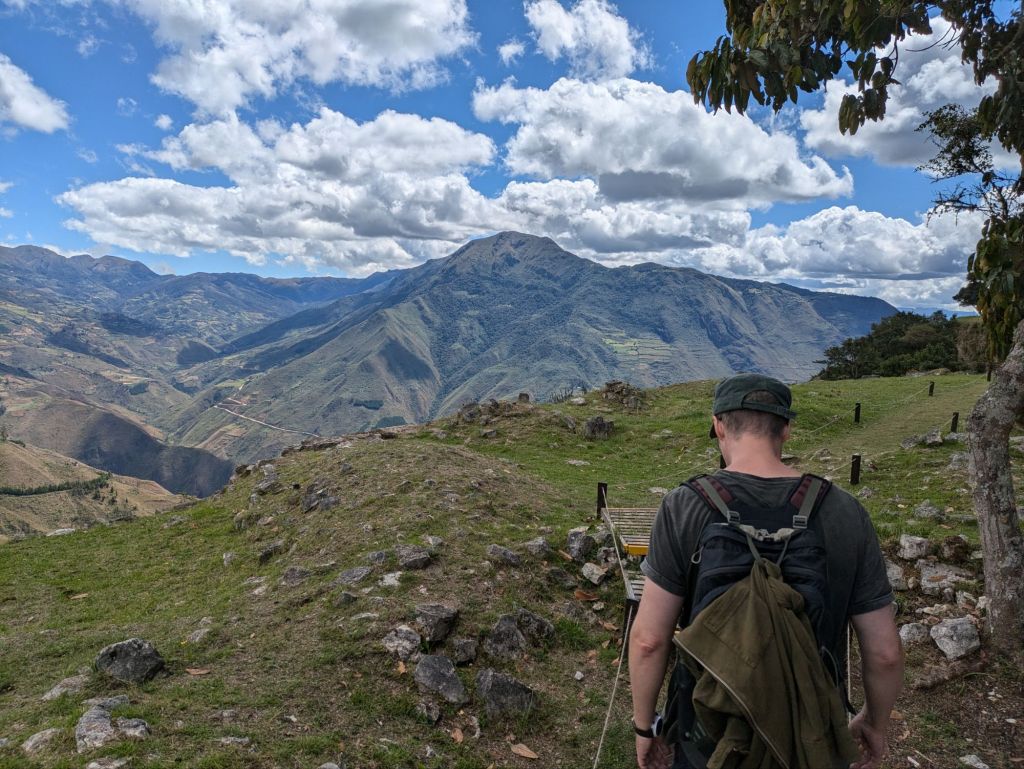
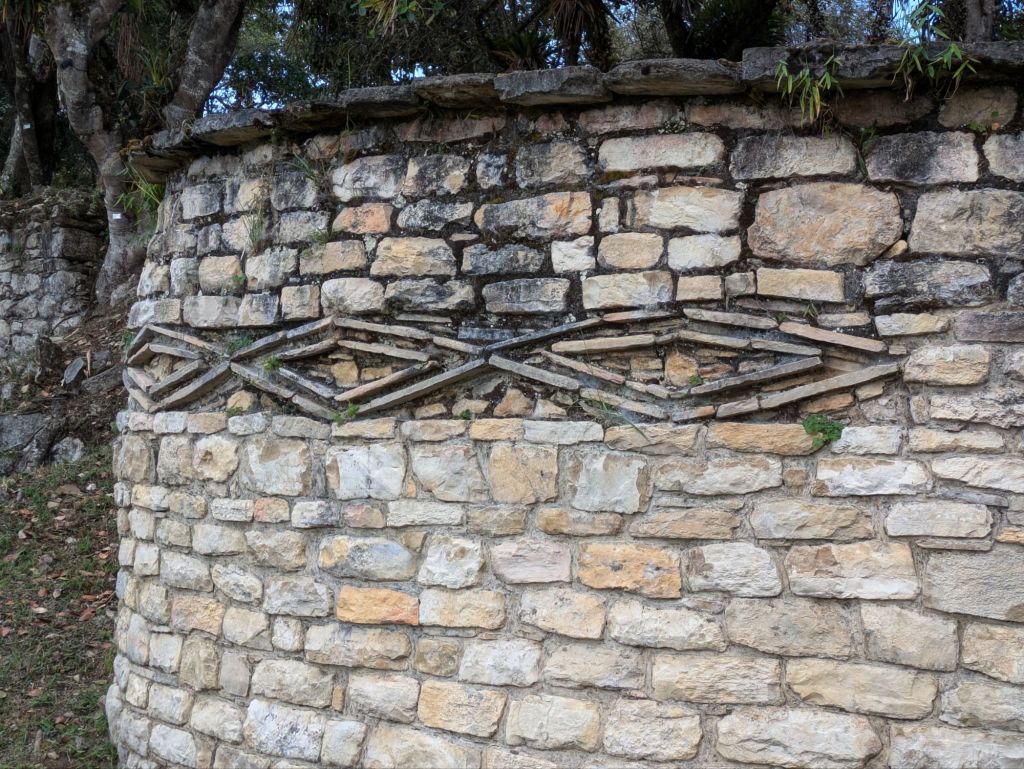
On arrival to the citadel you first see the impressive high exterior walls, which originally led people to believe it was built as a fortress. However, more recent ideas suggest it was a city with spiritual significance instead.

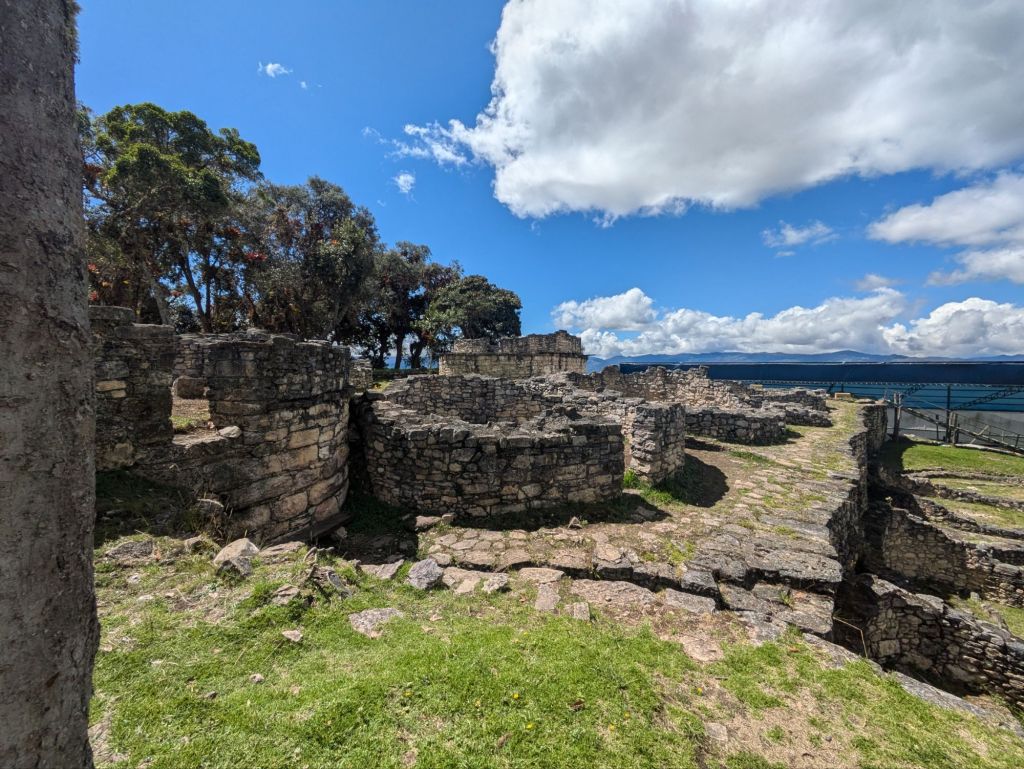
Whatever the purpose the citadel, once entering through the high walls (which are unfortunately partly covered in scaffolding at the moment following a partial collapse due to heavy rains) you are then ushered on a one way walk through the ruins (and it very much is a ruined citadel!).
Whilst I understand the need to protect what remains, the current route only takes in part of the citadel and there are no signs (in Spanish let alone any other language) to provide any insight. Whilst you can hire a guide (and I suspect the lack of signage is intended to promote hiring of guides), we sometimes like to do things ourselves and so I had to resort to downloading a guide off the internet.
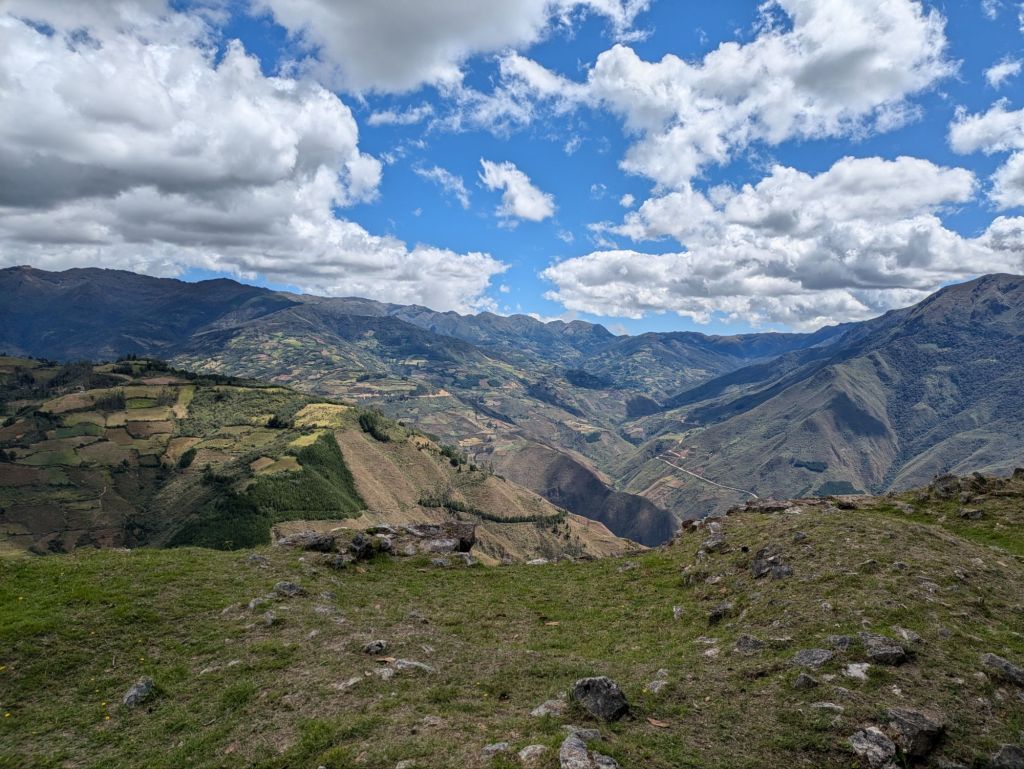
Nonetheless I quite enjoyed the visit (even if the suggestion that it could be the ‘new’ Machu Picchu is pretty far fetched!), and found it fascinating that the Chachapoyas peoples decided to build such a place (a citadel with hundreds of round houses and associated infrastructure) so high up, principality for its spiritual value; Richard on the other hand, was not very impressed and thought it was basically ‘a pointless pile of old rocks’!!
Let’s hope he finds Machu Picchu a bit more impressive when we finally get there!!
After Kuelap, we considered doing a hike to Gocta Falls, which is meant to be one of the highest falls in the world and certainly in Peru, but the hike is meant to be fairly arduous and on a long trip like this, with Richards hip arthritis we have to pick and choose our hikes to make sure we’re not overdoing it. (Admin – Richard is currently wondering where his zimmer frame is, his memory is not what it used to be).
And so instead we headed south east, towards the coast and the city of Trujillo…

 Sloth Journeys